To design software users love, every decision you make must align to a clear & evolving vision.
To build it, you need full-stack technical talent. You need minds that can synthesize, communicate,
architect & execute on your product vision, making sure that every technical decision aligns with your product goals.
Reliability is feature #1, and to achieve it you need to map every aspect of your application's feature-set & architecture to its infrastructure design.
Tradeoffs abound in software, but with our team you get expertise that knows the entire stack soup-to-nuts
and has a long history of deploying it successfully in the cloud.
Hitting milestones is always a challenge, and adding more bodies rarely gains you more velocity.
Our experienced team is the exception. We know when to lead and when to follow, ramping quickly with your team to fill in gaps, remove friction, and hit deadlines.
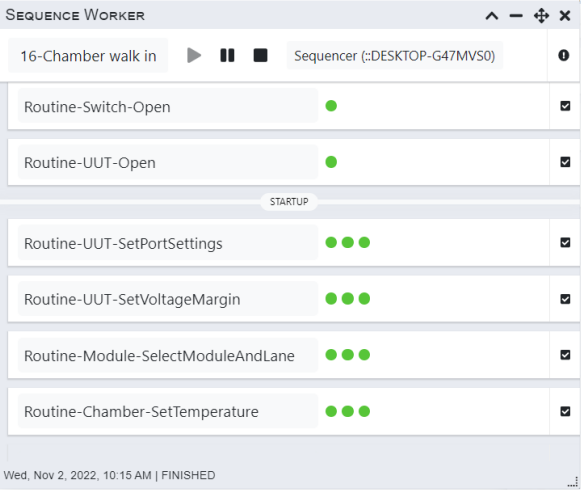
Filling in the skill gaps for a LabVIEW product team, we used our full spectrum of talent to help deliver a first-of-its-kind low-code measurement automation platform. Deployed in several national labs and on the research vessels at many of the world's largest oceanographic science universities & institutes, the platform has proven its just the tool scientists need to self-service their measurement control applications.
Typescript
ANTLR4
Express
Prisma ORM
Google Cloud SQL Postgresql
Google Cloud Platform
Firebase
Adobe Illustrator
We designed & built a low-code editor tailored to the needs of measurement scientists
In order to successfully build measurement control systems, scientists need to be able to turn every knob.
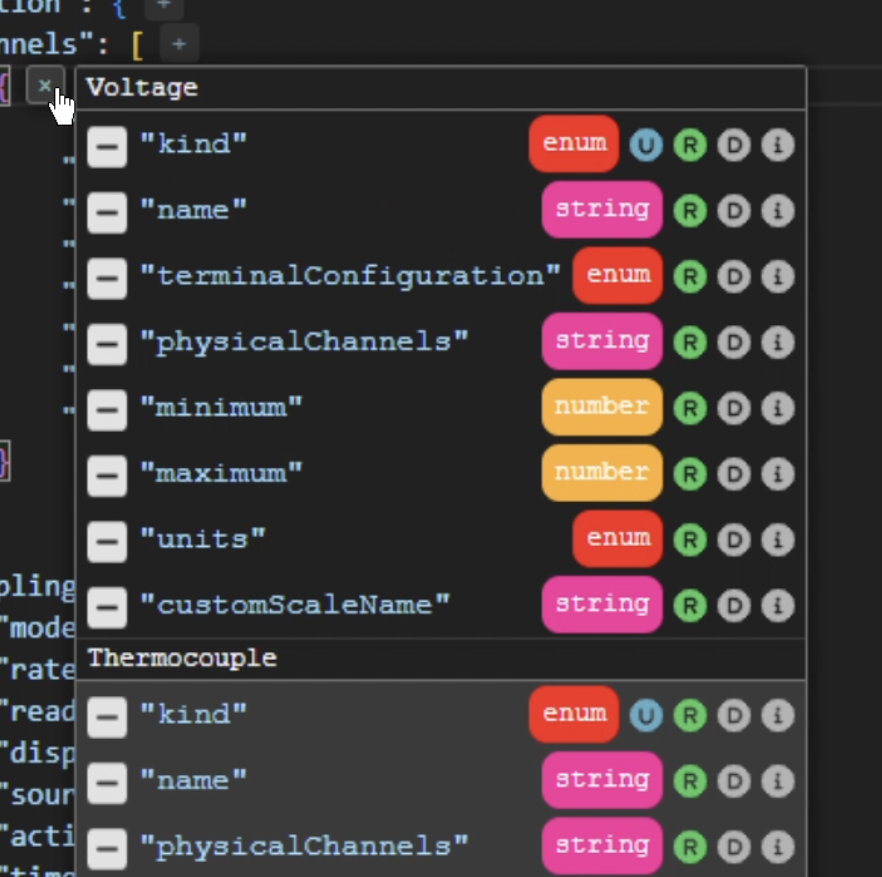
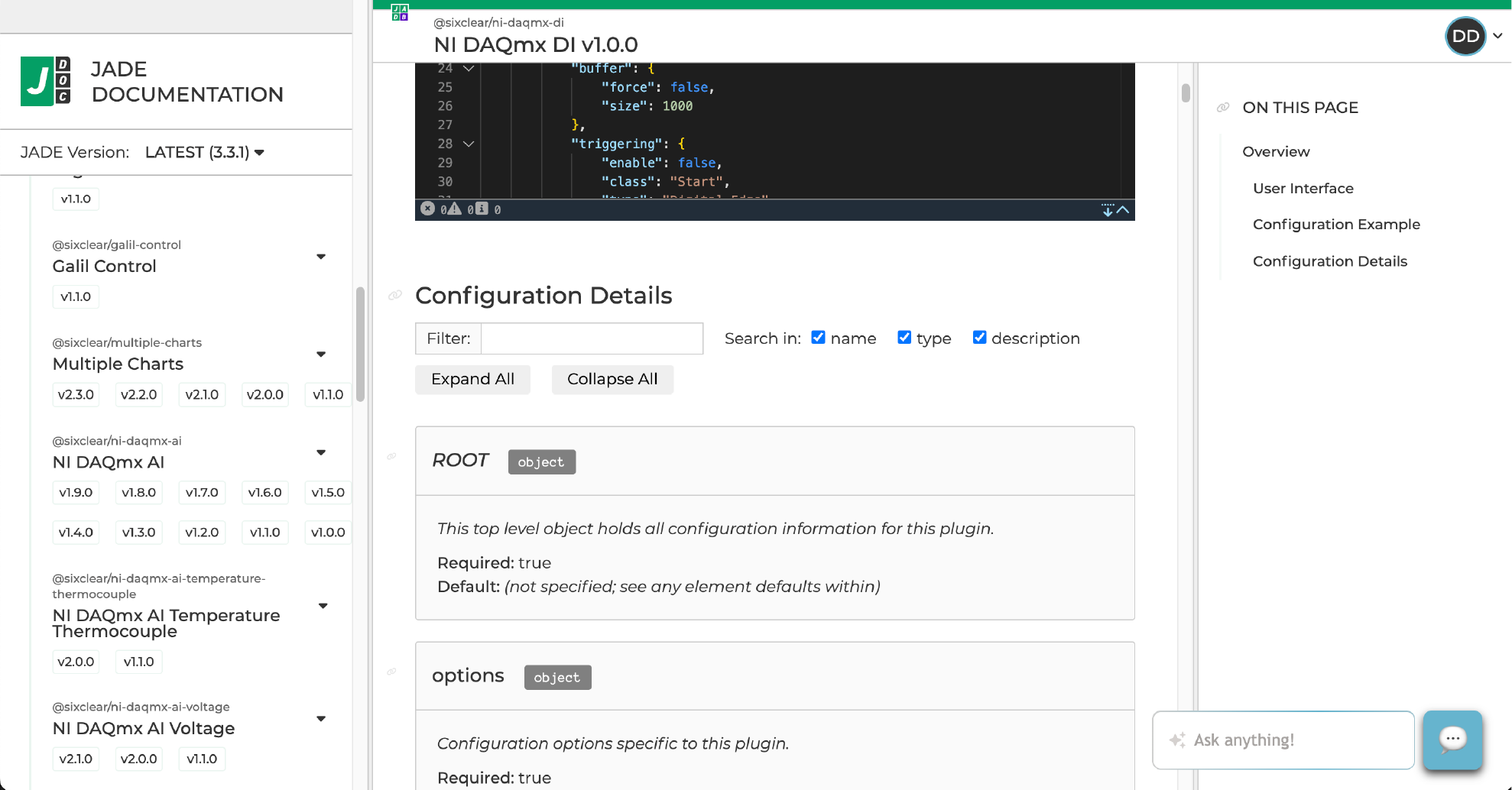
The platform lets you compose applications with LabVIEW-written plugins, which define their configuration parameters using JSON Schema.
Using TypeScript, we built an editor that deeply integrates the same open-source editor powering Microsoft VSCode, Cursor, and Google Antigravity
to provide a quick to learn, yet powerful editing experience that works with any plugin written.
Making regular expressions as "what you see is what you get" as they possibly can be
Leaning on the VISA standard, LabVIEW is able to communicate with just about any instrument that speaks serial.
The challenge for the scientist is to successfully parse the strings returned to extract just the data they need for their application.
Regular expressions provide an industry standard paradigm for parsing strings, but its powerful yet esoteric syntax can be daunting
to someone who doesn't use them everyday.
We built an integrated regular expression editor into the core editor, allowing scientists to compose their regular expressions while
receiving realtime feedback on what is and isn't matching. With the helper, what is often a difficult to debug
layer in a measurement application, requiring countless build-and-test cycles, becomes fully-verifiable at edit time.
And programmatic expressions fully-verifiable as they're written
LabVIEW plugin developers building on this platform have the ability to accept full programmatic
expressions for any field in a plugin's configuration. This capability allows for a very effective
separation of responsibility between developer and scientist.
The LabVIEW developer tackles all the nuanced, computer science aspects of a solution, and
delegates the task of managing the specific computational details of the measurements to the scientist.
To make it as easy as possible for scientists to write their expressions, we built an expression
editor into the core editor.
We first needed an implementation to parse the custom expression language into an AST to give us a
data model to work with. We chose ANTLR4 to generate the tokenizer and parser for the language, and then used
ANTLR's visitor pattern to generate a full AST. With the AST, we were able to implement many useful features,
some of them one-of-a-kind:
Robust syntax highlighting
Autocompletion for variable containers, return types, and function signatures
Automatic seeding of the variable space used in the expression in a variables editor, allowing scientists to
test their expressions against different variable combinations
Realtime evaluation of the expression with the configured variables, giving the scientists edit-time confidence that
their expression is valid against expected inputs
Compared to any other development environment in the measurement space, scientists have been consistently excited and successful
using the expression editor across the different plugins they utilize to build their measurement applications.
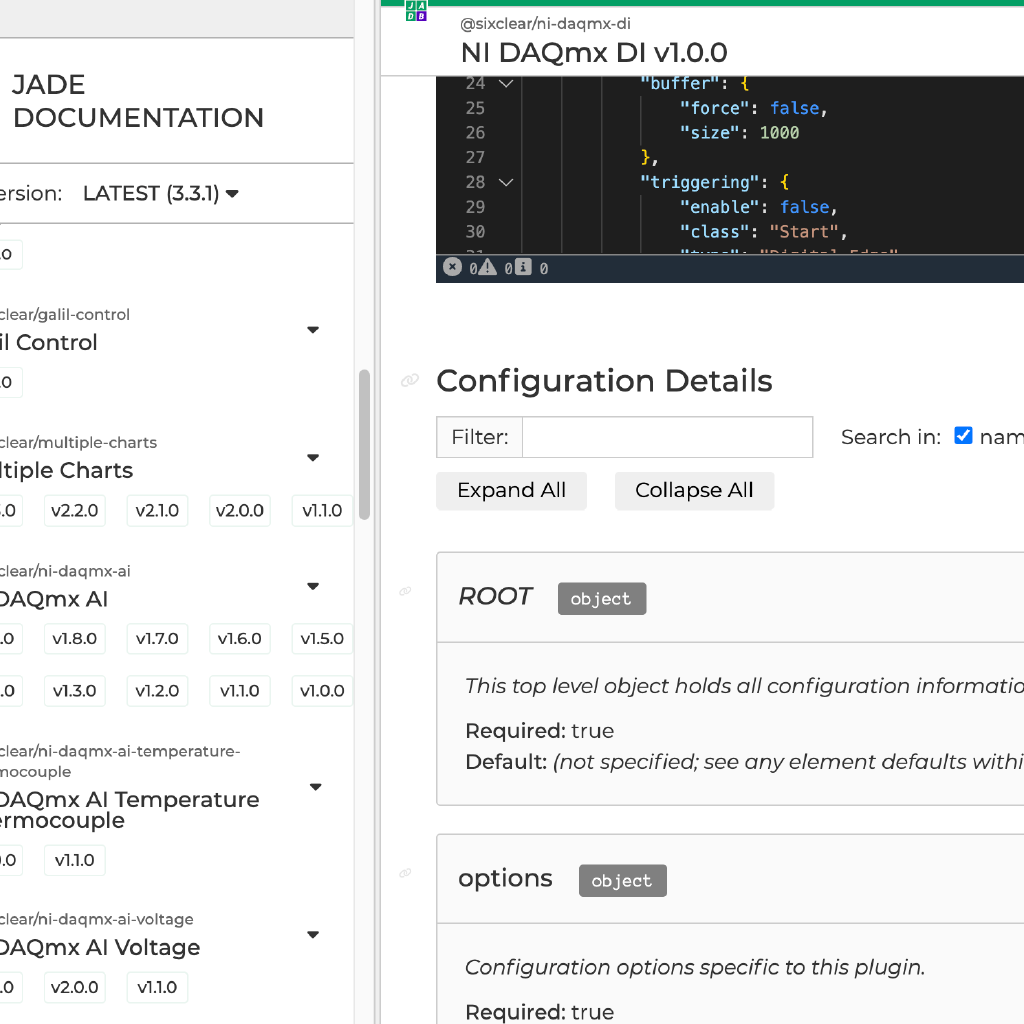
And it wouldn't be a self-service platform without a code-distribution & documentation system
While the Daywards team is very capable in complex front-end development, we really cook when a project also needs a custom back-end with the right cloud infrastructure to support it.
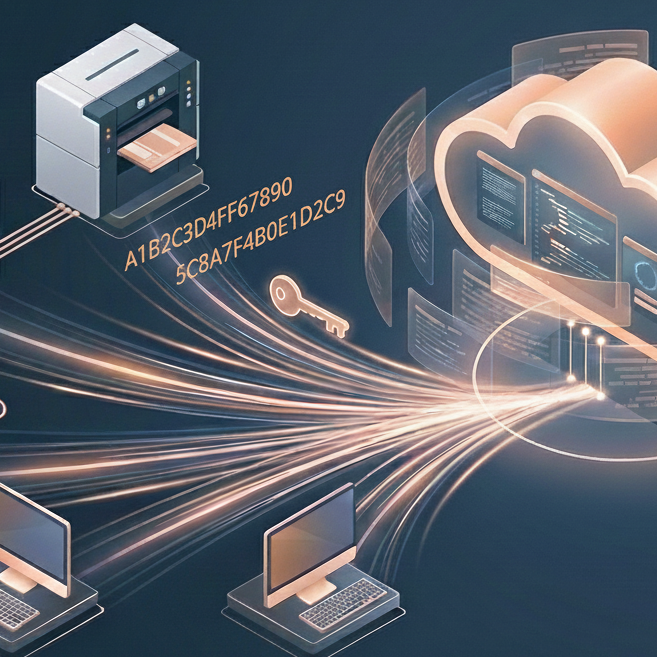
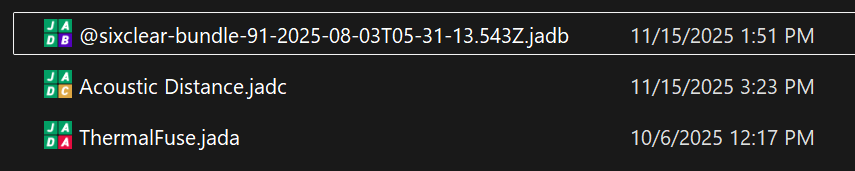
The LabVIEW runtime for this platform needed a custom delivery format, so working with the LabVIEW product team we designed a complete code push
system. Using almost every feature in Prisma ORM and Firebase Cloud Functions, we designed a data solution that allowed the LabVIEW plugin developer to iterate, document, version and
publish their plugins for user access in an online code bundler. Code and metadata artifacts, including any needed for rendering documentation, are indexed in Postgres and stored in Google Cloud Storage.
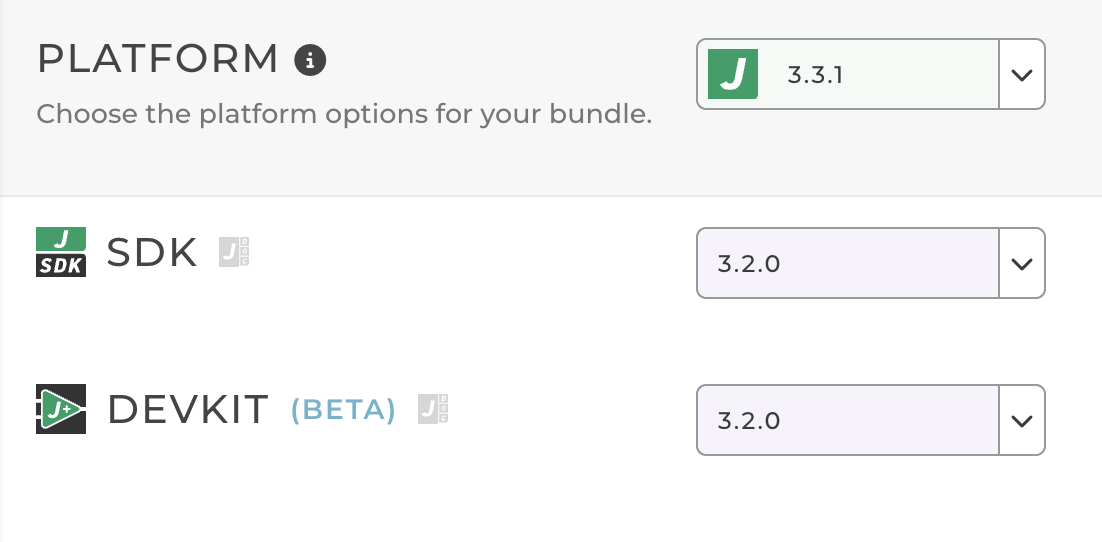
The bundler renders its interface from the database, and allows scientists to select just the assets they need for their application.
Utilizing Google Cloud Storage and nodejs streams, bundles are generated & streamed for download right in the browser.
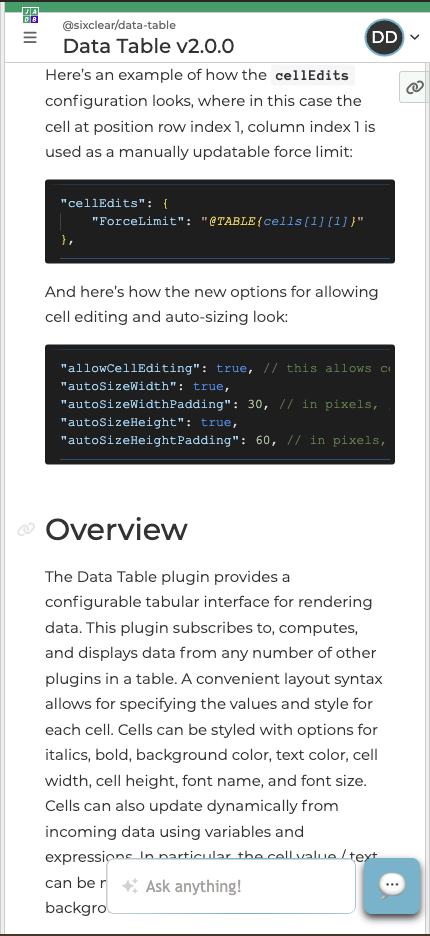
All versions of published platform resources are immediately available in the online documentation viewer. Because scientists often need to make changes in the field,
we designed the documentation viewer to be mobile-first, offering a fully accessible mobile experience.
And the visual brand assets to communicate the many interconnected layers enabling the product features
While Daywards isn't a branding agency, we have the skills to do the work (at least for software products).
For this platform, we designed and implemented all the brand assets, from in-product icons to license branding.
Special care was taken to ensure product icons were distinct from each other and rendered well in both light and dark modes,
while remaining consistent with the brand.
Using our devops, python, and database expertise, we helped a healthcare startup transition from a MVP running on virtual machines & Azure Cosmos to a HIPAA-hardened SQL Server-backed, typesafe python implementation deployed on Azure Kubernetes.
Python
FastAPI
SQLAlchemy
SQL Server
Docker
Azure Table Storage
Azure Storage Queues
Azure Kubernetes
We delivered an AKS solution that can coordinate & scale across health system customers running their infrastructure in their own VPCs
This startup was tackling the challenge of processing measurements from patient take-home medical devices securely through a pipeline of
analysis and finally to their health system EHR.
We delivered two helm charts for two application clusters both running on AKS. The first was responsible for acting as the routing frontend
that all take-home devices could send their measurements to. Measurements were routed to a different AKS cluster based on the health system customer,
where processing, storage, and EHR integration occurred.
We took special care to minimize as much of the operational complexity as possible, given each new health system customer required another AKS cluster
running the application stack. We leaned on Azure Table Storage for key-value lookup needs, and Azure Storage Queues for message passing between routing & processing services.
And a SQL Server data design & implementation that could meet HIPPA requirements
Using SQLAlchemy, we designed the database schema and migration workflows to support the security & operational needs of the product.
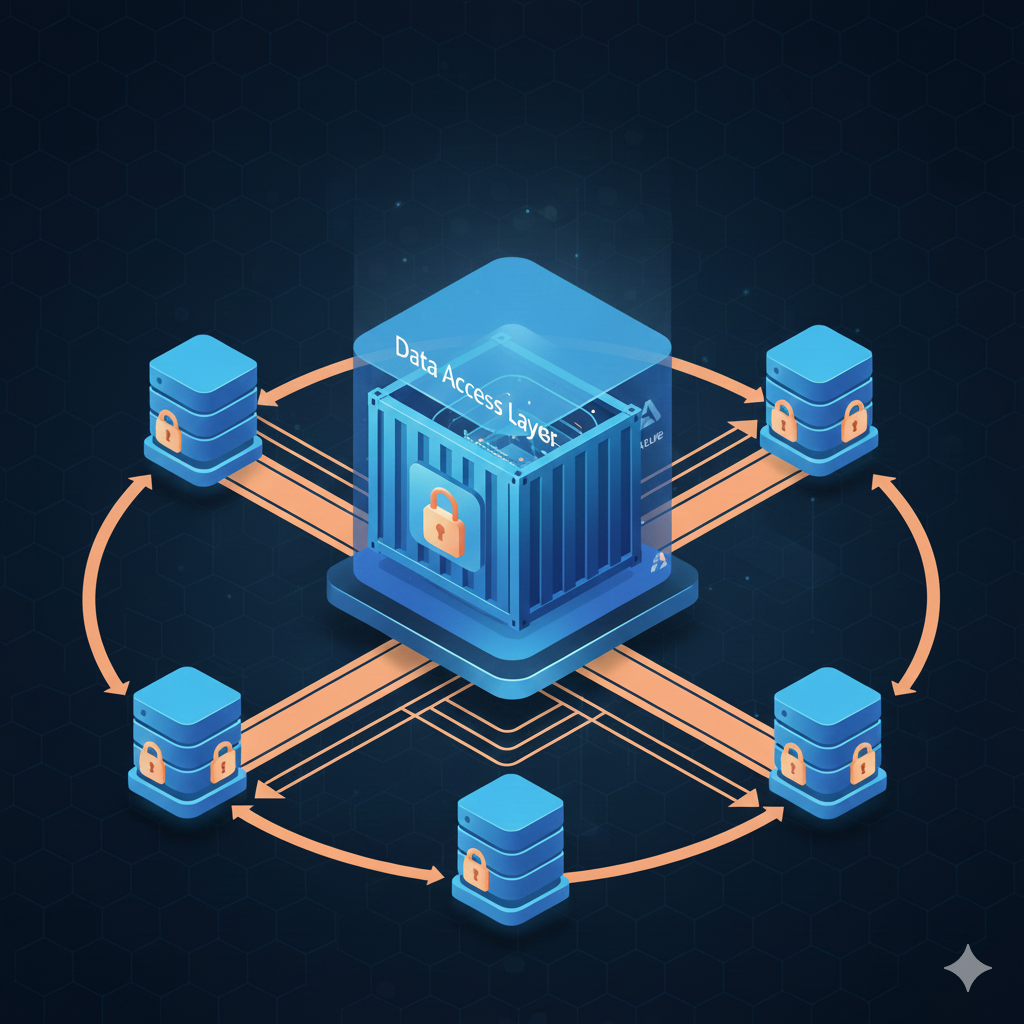
We used several of the advanced features of SQL Server & the full set of DCL (Data Control Language) permissions to lock down the database & provide
the team a solid workflow for managing schema and permissions as the product evolved and they onboarded more health system customers.
With a typesafe python implementation that set the team up with a solid foundation for future growth
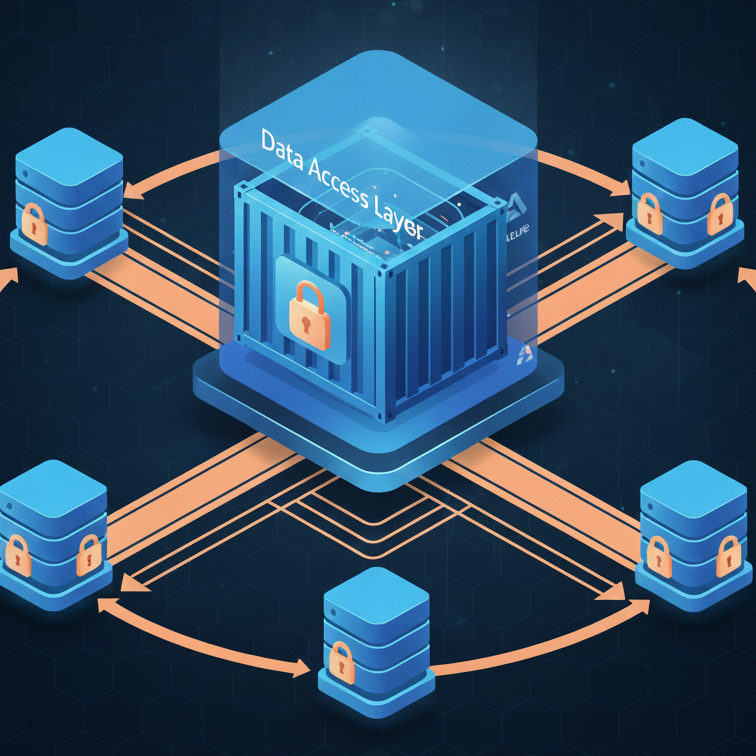
To help the team manage operational complexity, we designed two layers of encapsulation in python.
The first was a singleton DAL (Data Access Layer) that wrapped up all database access behind a typesafe, coherent API using Pydantic models.
The second was a service layer that allowed the team to deploy a single Docker image for all their processing services. Each service was
configured in the helm chart to start up the same image in different runtime modes. This simplified
debug and deployment workflows for the team, allowing them to implement strong CI/CD processes before deploying to separate AKS clusters.
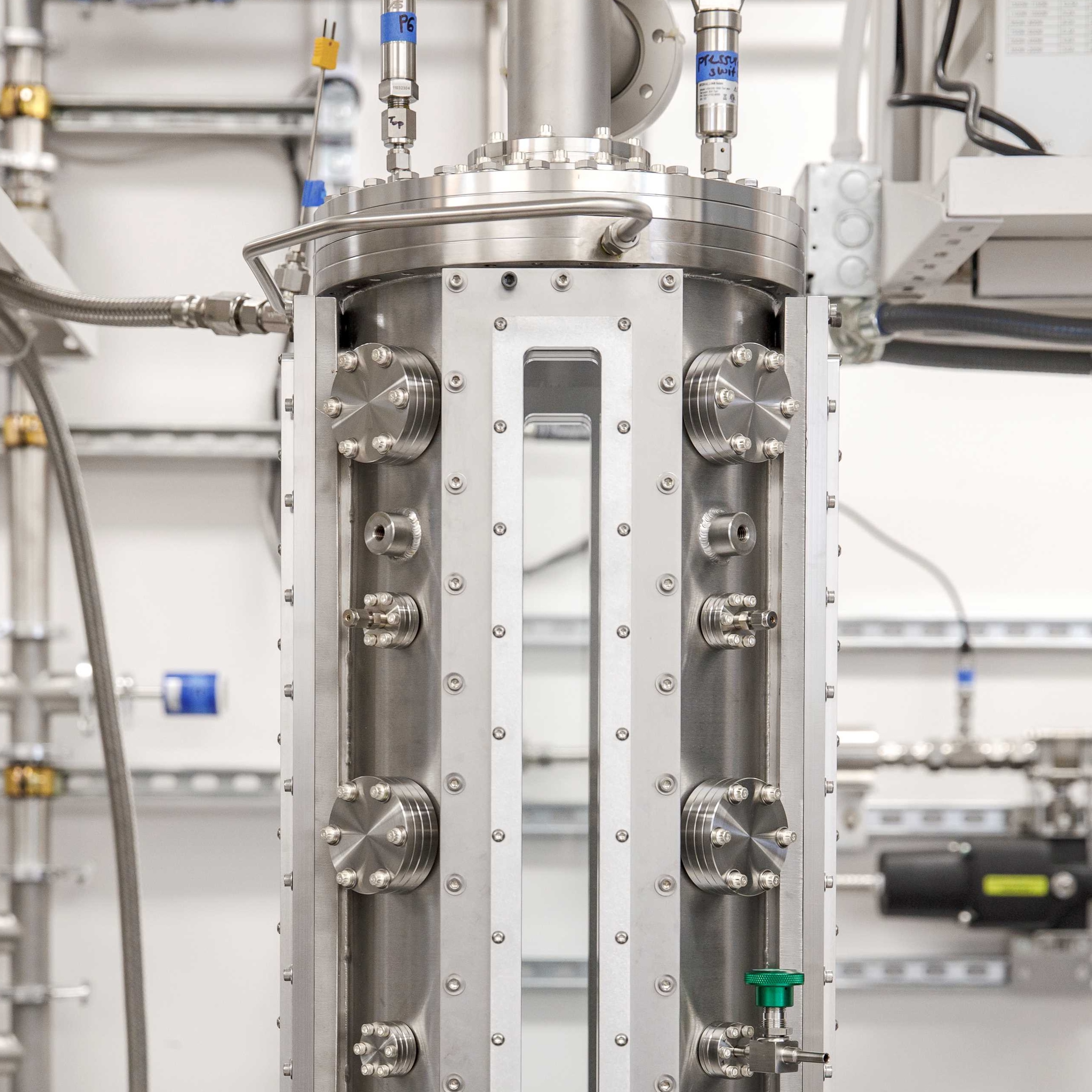
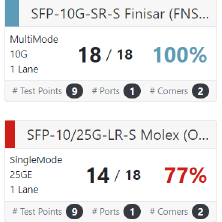
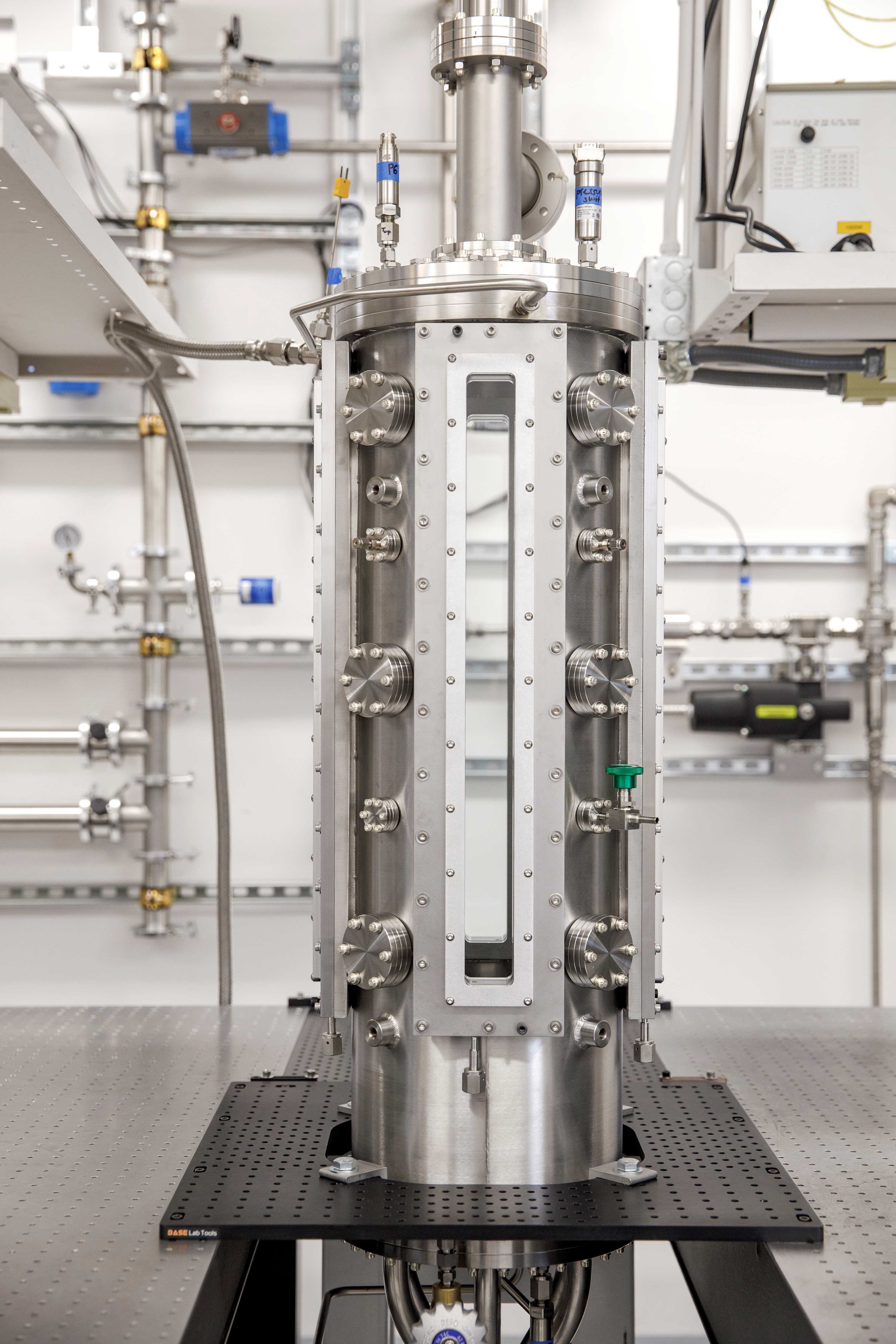
Providing a full solution for testing physical devices, this project deployed on-prem at one of the largest producers of networking equipment in the world, and on the manufacturing floor of one of the world's top 5 largest factories.
Python
Django
Typescript
Express
Postgresql
Redis
Kubernetes
Helm
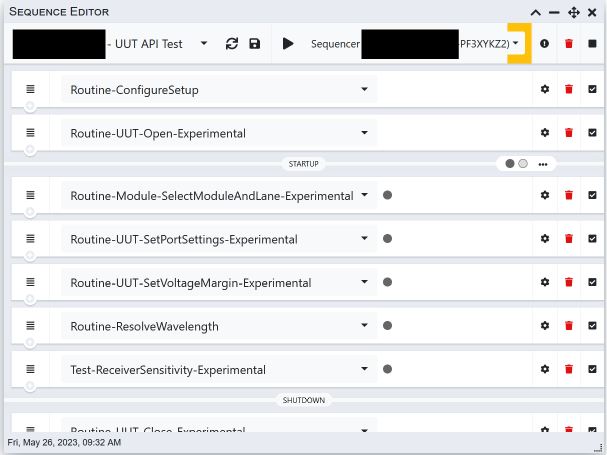
We took it from prototype to robust, fully-customizable test automation platform
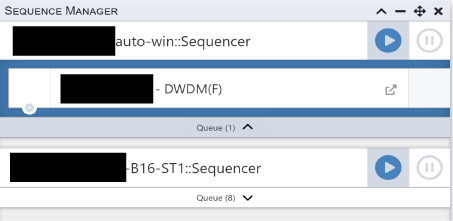
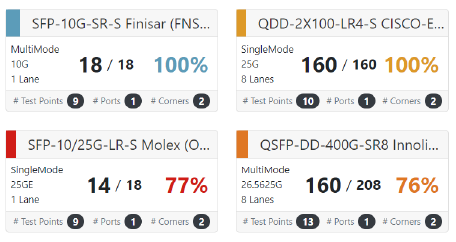
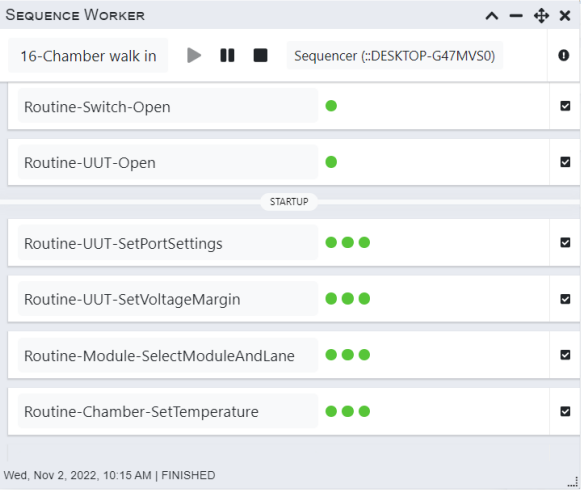
Backed by Postgresql & Redis, test engineers can use a drag and drop UI to compose sequences of sequences of tests & routines to run unsupervised for days at a time.
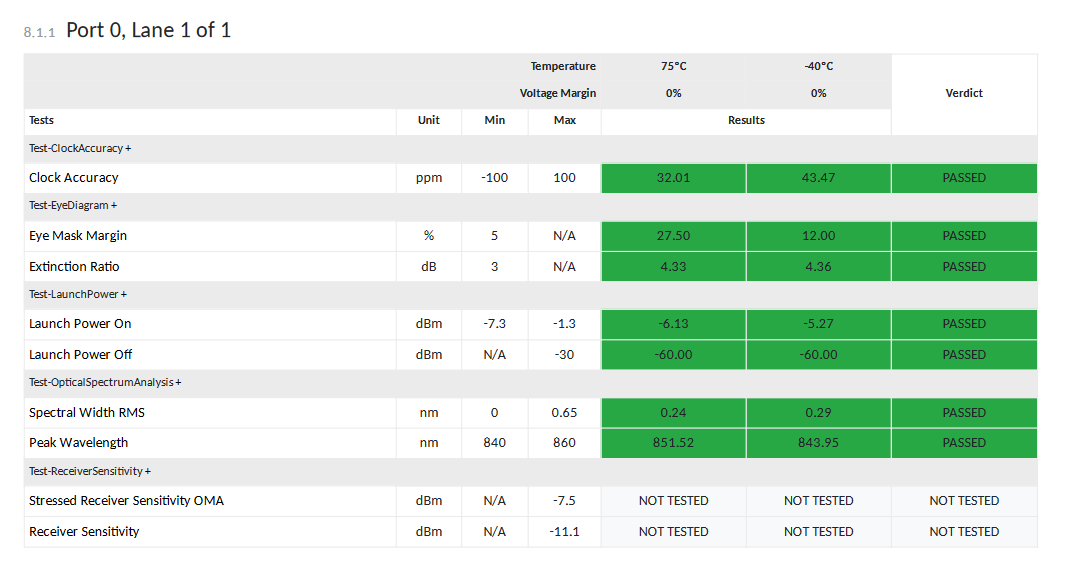
Enabling real-time visibility into both live & historical test data
Using a live test sequence UI, flexible test planning system and a custom dashboard/report builder, test engineers can run their tests and see live test results as they are collected. Where deployed, this drastically improved reliability and confidence across the team, and dramatically reduced the time it took to meet IEEE reporting requirements.
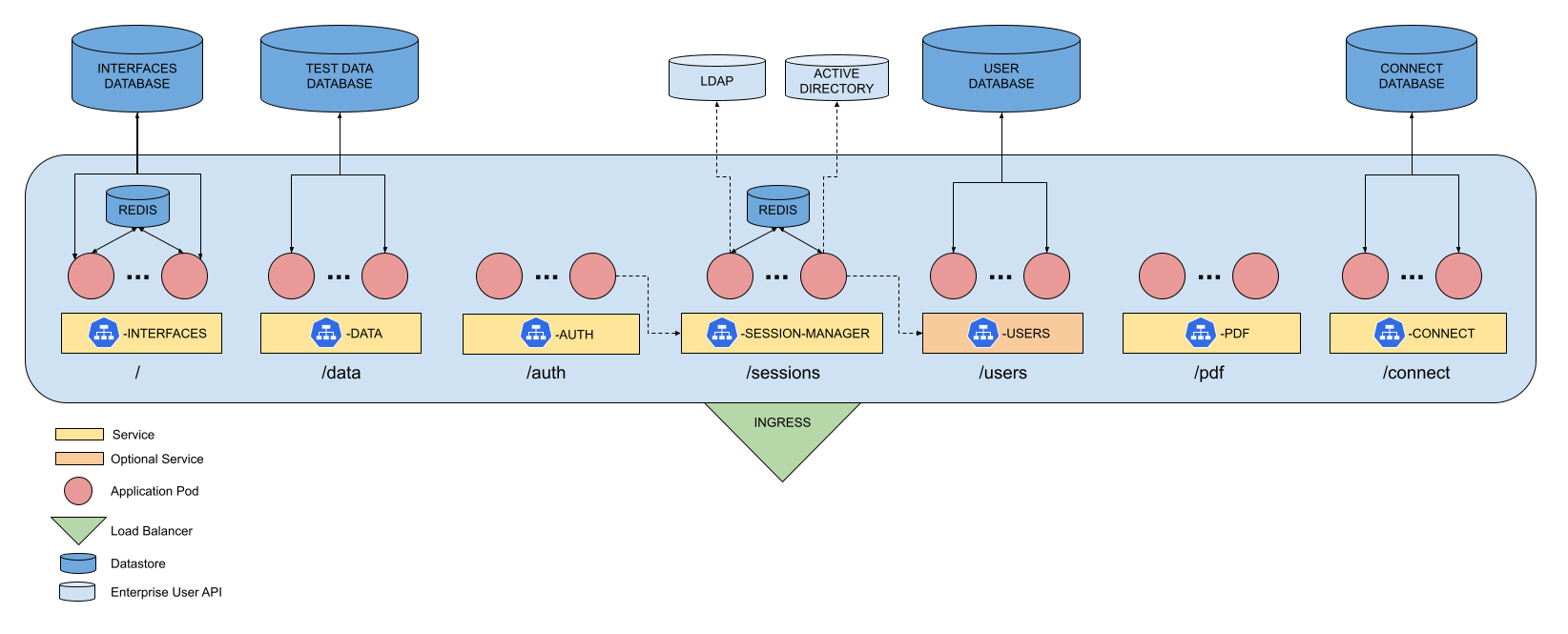
Deployed white-label on Kubernetes using a deeply configurable Helm Chart
Combining 6 core microservices and an extensible architecture for easily adding more, we delivered a secure, coherent, turnkey solution for a very complex problem.
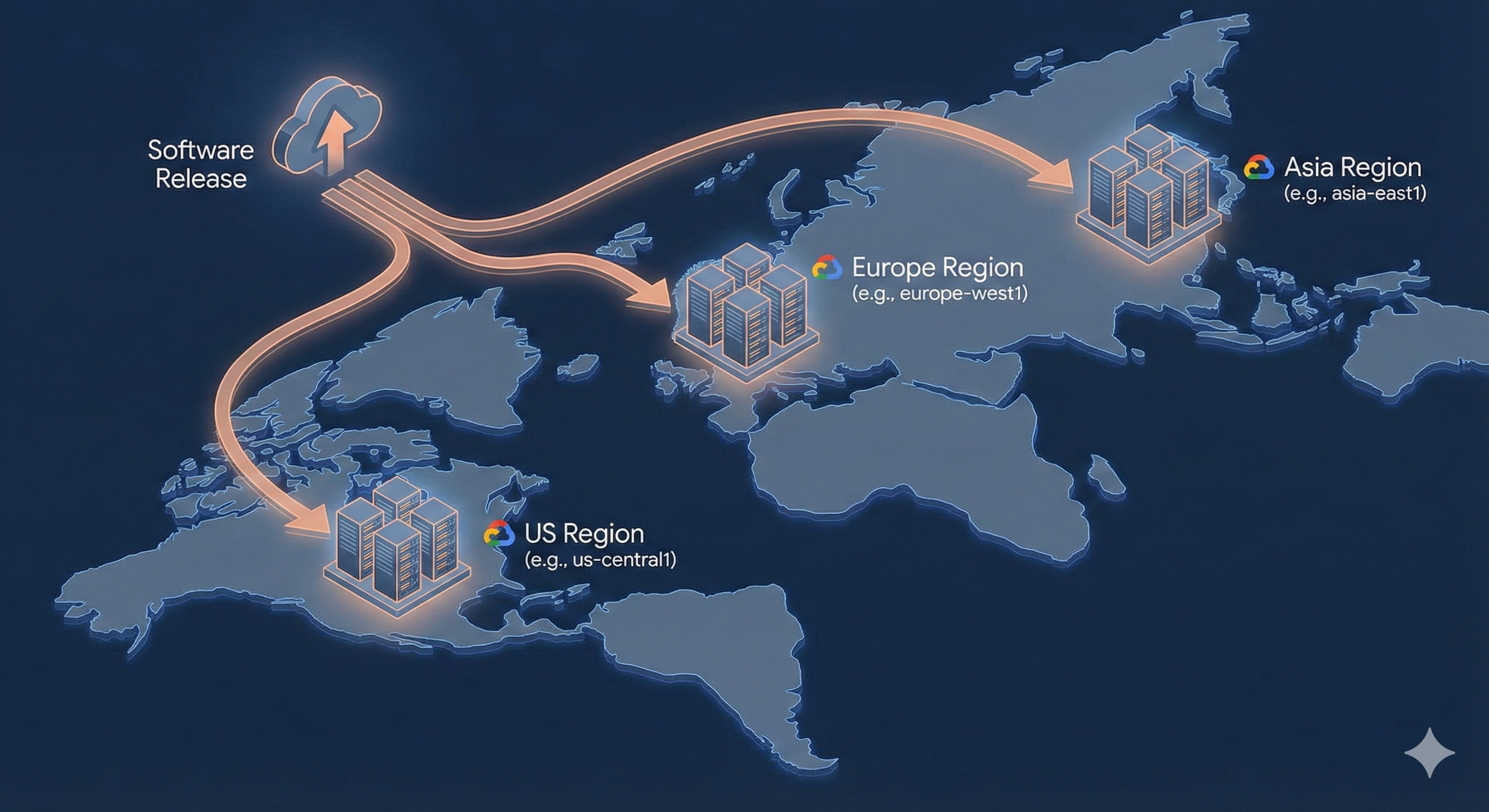
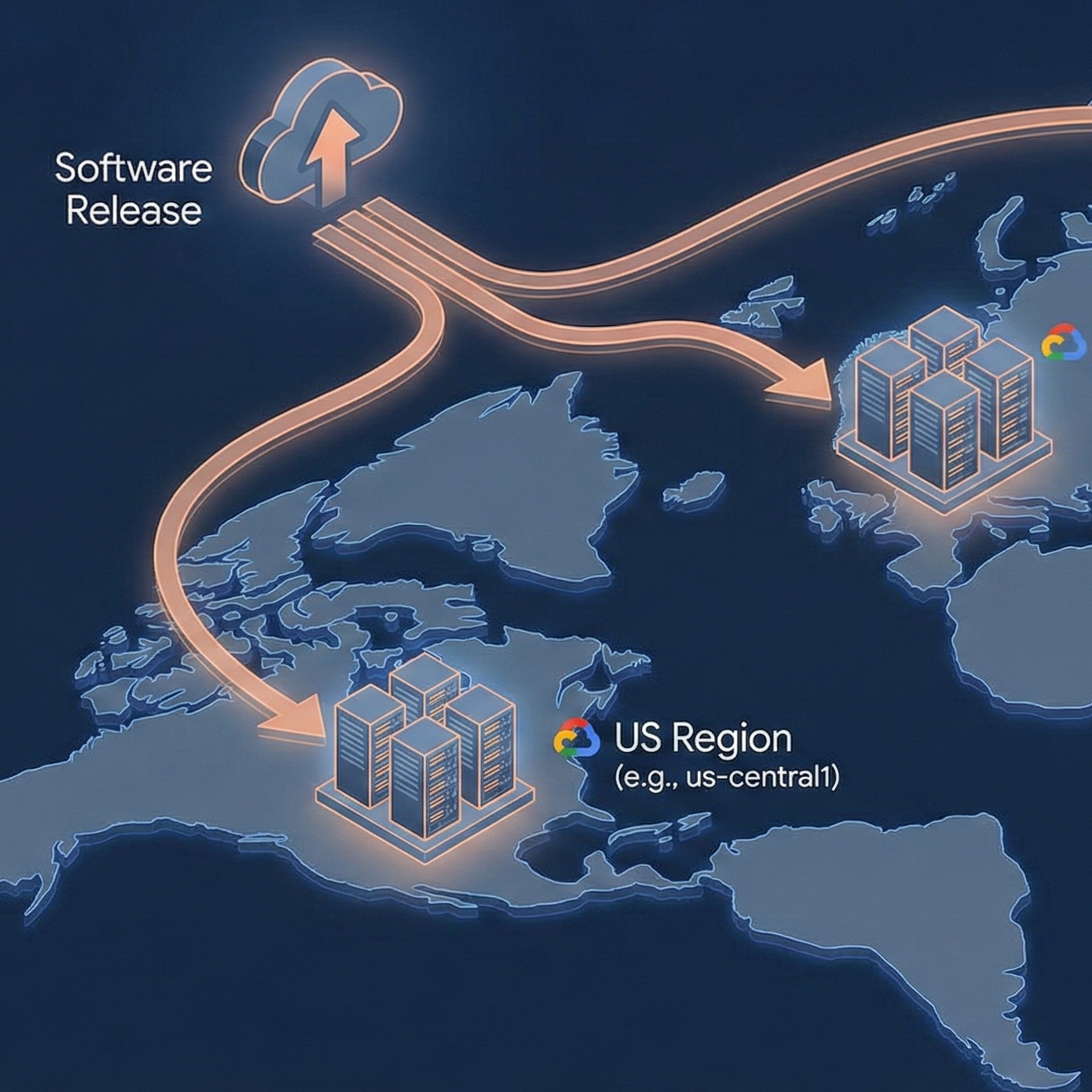
Used in the archival workflows at the world's largest libraries & universities, including the Library of Congress, this product needed cloud services to enable auto-update and group licensing features. Working closely with the product team, we designed and delivered workflows and services deployed in US, European, and Asian regions that gave end users a transparent, reliable auto-update & license checkout/checkin experience.
TypeScript
Prisma ORM
Google Cloud SQL Postgresql
Google Cloud Datastore
Google Cloud Run
Google Cloud Build
Google Cloud Storage
We designed a continuous deployment pipeline for auto-update product distribution
Utilizing github's webhook API, we designed a simple continuous deployment system that distributed updated installers to every global region served by the product.
Integrating with the product team, we designed and delivered a set of services on Cloud Run that enabled the product to phone home for updates, and to download them from
a signed URL when an update was available.
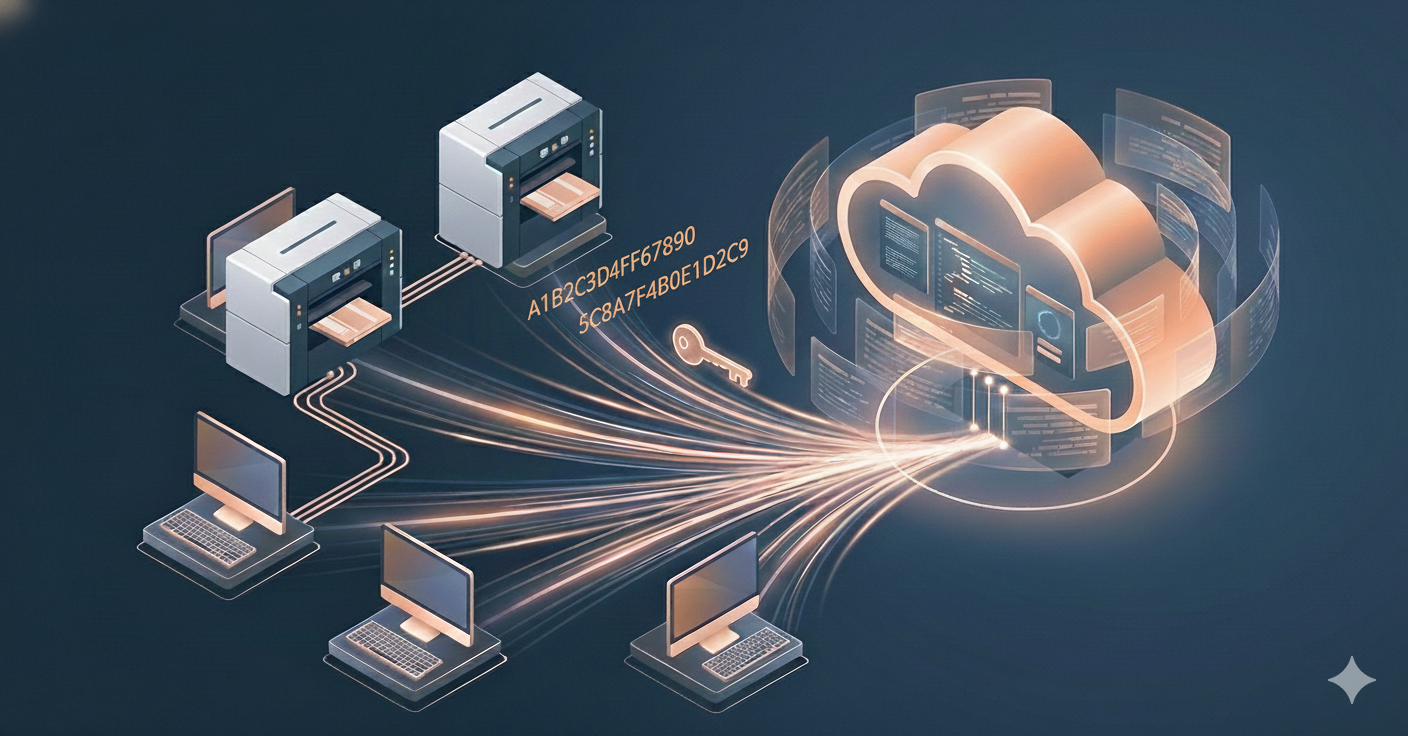
And a licensing system that allowed customer teams to checkout licenses across their active workstations
Working closely with the product team, we built a set of license services on Cloud Run that allowed the product to communicate on a server-defined cadance
to check out a license from a customer's set of site licenses and heartbeat to keep the checkout active.
The system intelligently checked-in any licenses that didn't phone home,
providing a hands-off experience for the product owner while allowing the customer to self-service their license management.
As a left-handed, right-footed thinker, Danny brings a naturally creative and analytical focus to every challenge he undertakes. He is a dedicated lover of learning, consistently seeking out and mastering new concepts and tools. Over his 20 year career, he has built deep skills in the front, back, and infrastructure ends of software, which has kept him riding on the ever-expanding cutting edge of technology. This boundless intellectual curiosity is the engine driving his professional excellence.
His work is characterized by a strong sense of purpose; he finds joy making software that both solves real problems and is a pleasure to use. Danny designs and builds elegant solutions that integrate robust functionality with an intuitive user experience, going beyond mere cookie-cutter solutions to create genuinely delightful products. Looking ahead, he is particularly excited about developments in Agentic AI, recognizing the immense potential these emerging systems hold for crafting the next generation of powerful, autonomous solutions.
Kristina Ward
Director of Project Management
Kristina is a wonderfully dynamic individual whose natural talents shine through in every role she takes on. As another creative, left-handed thinker, she approaches challenges with an innovative perspective, seeing solutions and patterns that others often miss. This imaginative intellect is balanced by her genuinely warm personality; she is both gregarious and charismatic, possessing a genuine ability to connect with people from all walks of life, making her a magnetic presence in any group.
Professionally, Kristina harnesses this energy and social intelligence to achieve remarkable results. She is excellent at organizing people for project success, effortlessly translating complex goals into clear, actionable steps and inspiring teams to perform at their best. Her leadership style is collaborative and motivational, ensuring that projects not only meet their objectives but also foster a positive, productive environment.

 Firebase
 Google Cloud Platform
 Microsoft Azure
 Kubernetes (on-prem, GKE & AKS)
 Helm chart design & implementation
 Cloud Run design & implementation
 Application containerization
 Full-stack TypeScript development
 Next.js/React & Angular development
 Typesafe Python development
 Django & FastAPI development
 SQL, Document, Search, Vector & Graph databases
 Agentic AI development
 ANTLR4
 Express
 Prisma ORM
 Google Cloud SQL Postgresql
 Adobe Illustrator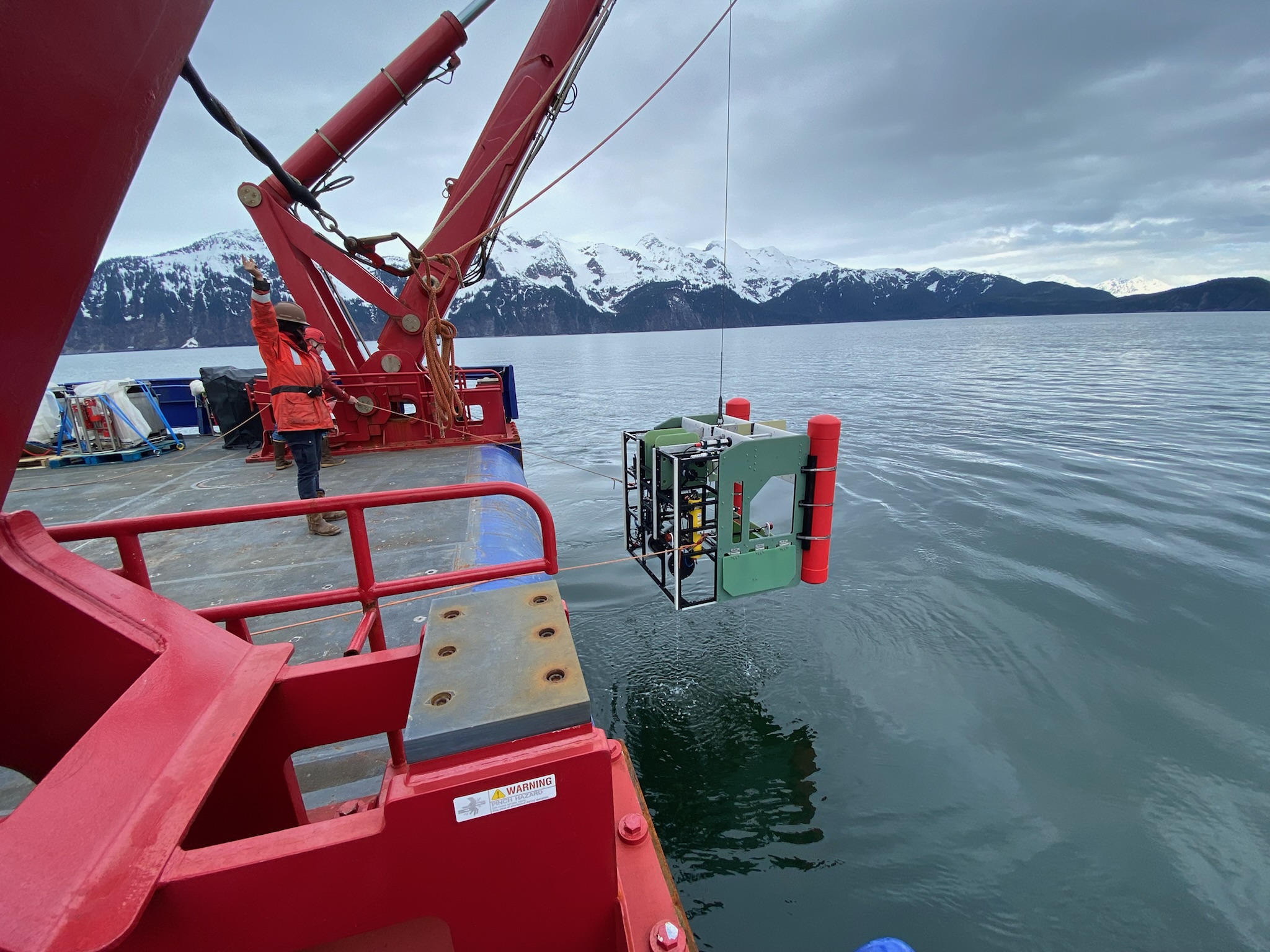





 FastAPI
 SQLAlchemy
 SQL Server
 Azure Table Storage
 Azure Storage Queues
 Azure Kubernetes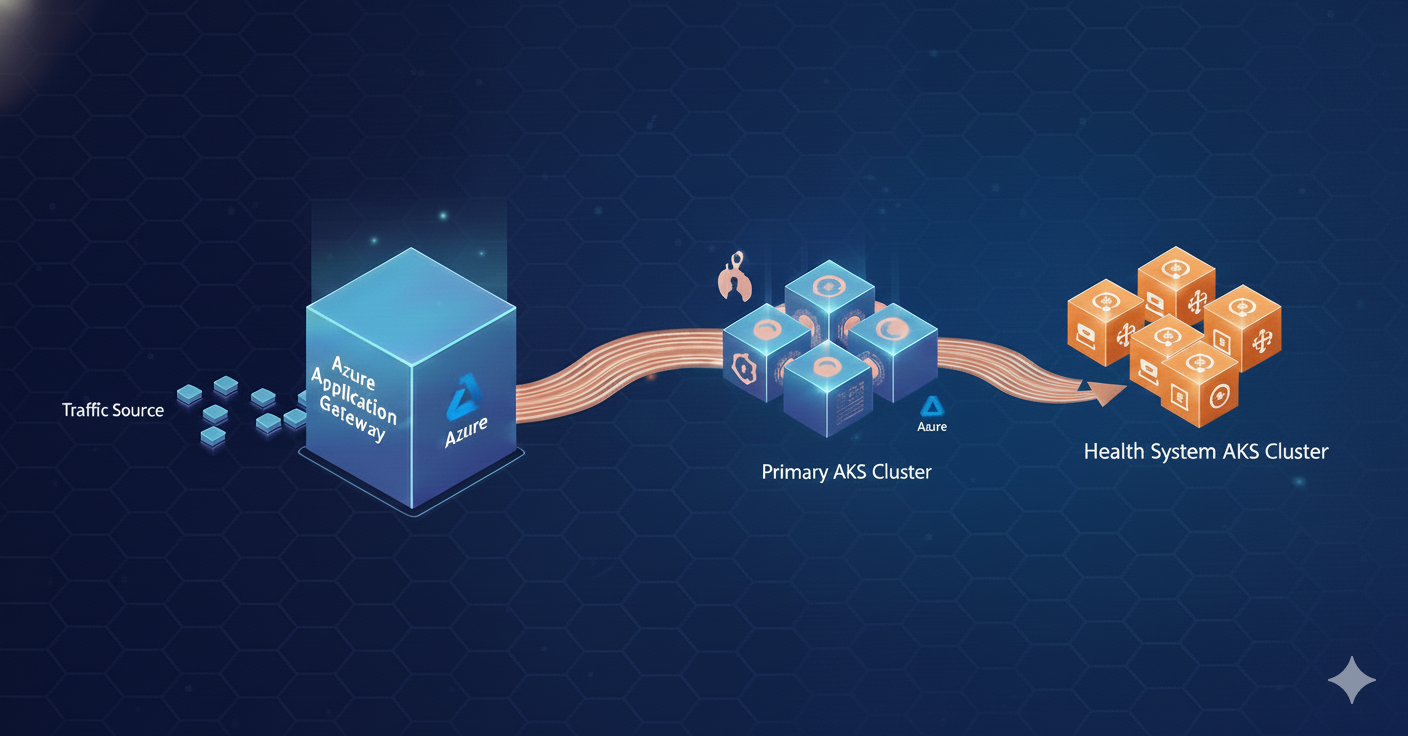

 Redis
Redis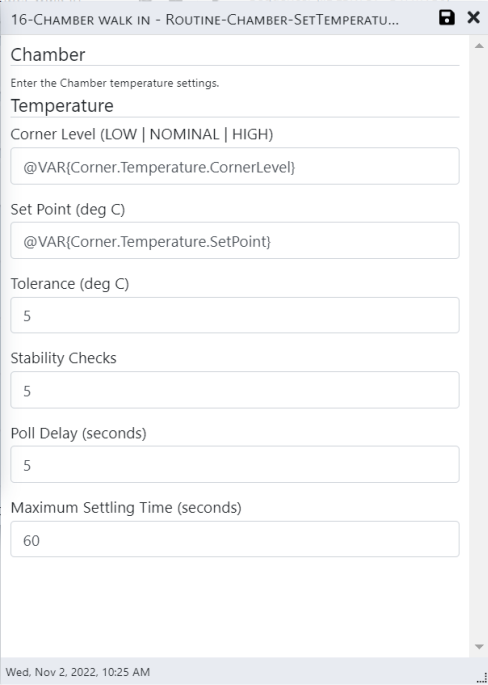

 Google Cloud Datastore
 Google Cloud Run
 Google Cloud Build
 Google Cloud Storage